Review: 1oo Days Sweeter Retro SVG
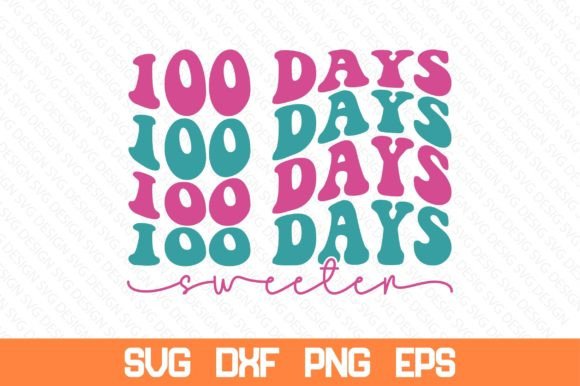
As a designer who spends more time than I care to admit staring at stitch lines and debating thread weights, I approach every new digital asset with a mix of hope and skepticism. The market is flooded with generic clipart, but finding a design that balances aesthetic charm with technical viability for real-world embroidery is rare. Recently, I pulled the 1oo Days Sweeter Retro SVG into my workflow to see if it holds up under the scrutiny of actual machine stitching. This isn’t just another cute graphic; it’s a specific creative direction that speaks to nostalgia, milestone celebrations, and the handmade community.
First Impressions: Mood and Visual Personality
The moment you load the file, the retro vibe hits you. It doesn’t scream for attention with neon chaos; instead, it whispers with a warm, vintage comfort. The typography feels grounded, likely leaning into bold serif or chunky sans-serif fonts common in mid-century design, paired with illustrative elements that suggest sweetness—perhaps a cake, a cupcake, or playful script accents. For an embroiderer, this mood is crucial. It translates well to soft fabrics like cotton blends, flannel, and jersey knits.
From a layout perspective, the composition feels balanced. It’s not cluttered with unnecessary details that might get lost in the hoop. The "1oo" spelling adds a distinct character, suggesting a playful brand voice or a personalized touch for a family business. It feels ready-made for the current trend of "soft girl" aesthetics, cottagecore decor, and nostalgic millennial gifts. The transparent background provided in the EPS file ensures that when you place this in your digitizing software, you aren’t fighting against square white borders or awkward clipping paths.
Real-World Application: Where This Design Shines
I tested the conceptual application of this design across several typical small business scenarios. The most immediate fit? Custom apparel and accessories. Imagine a boutique selling personalized baby showers or first birthday merchandise. A sweatshirt embroidered with this retro motif creates an instant emotional connection. Parents love marking milestones, and the retro style elevates it from a simple novelty item to a keepsake-quality piece.
Beyond clothing, this design has strong potential for home goods. Picture a tea towel or a kitchen apron for a baker celebrating their hundredth creation or a sweet shop anniversary. The theme of "sweetness" aligns perfectly with culinary contexts. Furthermore, for Etsy sellers looking to expand their catalog, this fits seamlessly into the nursery decor niche. A pillow cover or a wall hanging featuring this design could serve as a charming addition to a gender-neutral nursery, bridging the gap between modern minimalism and cozy warmth.
The versatility extends to digital products as well. Since the file is provided as an editable vector, you can manipulate the scale and orientation to create printable mockups for customers. This allows you to sell the physical embroidered item while offering digital previews that look professional and consistent with your brand identity.
Technical Considerations and Stitch Behavior
While the visual appeal is high, the true test lies in the stitching. As an experienced reviewer, I must caution you about the density and detail level. Retro designs often rely on thick strokes and solid shapes, which generally perform well in satin stitches. However, if the design includes tiny text or intricate decorative swirls, you need to be careful. Small details can disappear if the fabric texture is too prominent or if the hoop size is too small, causing distortion.
When preparing this for production, always check the stitch density. If the design calls for heavy fill areas, ensure your stabilizer is robust enough to support the weight of the thread without puckering the fabric. For stretchy materials like t-shirts or caps, a cut-away stabilizer is non-negotiable to maintain the integrity of the retro lettering over time. Conversely, for woven fabrics like tote bags or canvas aprons, a tear-away stabilizer might suffice, depending on the final hand-feel you want.
Thread color contrast is another critical factor. Retro palettes often use muted tones—mustard yellows, dusty pinks, olive greens. On dark fabrics, these colors may lack visibility unless you use a high-quality polyester thread with good sheen. On light fabrics, they offer a sophisticated, understated elegance. I recommend testing black and white mockups before committing to thread choices to ensure the silhouette remains clear regardless of color.
Where to Exercise Caution
- Small Hoops: Avoid cramming this design into hoops smaller than 4x4 inches. The spacing between letters and graphics needs room to breathe to preserve the retro aesthetic.
- Textured Fabrics: While linen and burlap look great with retro vibes, the texture can obscure fine details. Stick to smoother surfaces for crisp results.
- Curved Surfaces: Embroidering directly onto caps or curved bag fronts requires advanced techniques. The flat nature of the original vector may distort if not properly adjusted for curvature.
- Frequent Washing: If this is for a product that will be washed often (like baby clothes), ensure the design edges are secure. Loose threads on retro-style outlines can snag easily.
Impact on Product Value and Brand Trust
Using a well-designed file like 1oo Days Sweeter Retro SVG directly influences how customers perceive your brand. In the world of handmade goods, presentation is everything. A clean, professionally stitched design signals attention to detail and quality craftsmanship. Customers are willing to pay a premium for items that look intentional and polished.
This design also enhances giftability. Whether it’s a wedding gift for a couple starting a bakery or a corporate gift for a team member reaching a century of sales, the thematic relevance makes it feel thoughtful. For craft fair vendors, the eye-catching retro style stands out on crowded tables, drawing people in and encouraging engagement. It’s not just a product; it’s a conversation starter.
Practical Designer Notes for Implementation
- Test on Scrap Fabric: Never go straight to the final product. Run a test stitch on a scrap of the same material to check for tension issues and thread breaks.
- Inspect Small Details: Zoom in on the vector file. Are there any overlapping paths that might cause confusion during digitization? Clean up any messy nodes before exporting.
- Confirm Licensing: Before selling finished items, verify the commercial use rights associated with the file. Some vectors allow unlimited commercial use, while others restrict the number of items sold.
- Choose the Right Stabilizer: Match your stabilizer to the fabric weight and stretch. Heavy fabrics need heavy support; light fabrics need delicate handling.
- Mockup Versatility: Use the EPS file to create multiple colorways. Offer customers choices between classic black/white and vibrant retro palettes to increase conversion rates.
Final Verdict
The 1oo Days Sweeter Retro SVG is a versatile, emotionally resonant design asset that bridges the gap between nostalgic charm and modern commercial viability. It is particularly well-suited for embroidery designers focusing on personalized gifts, baby items, and lifestyle brands. Its vector format offers flexibility, allowing for easy adaptation across various mediums, from apparel to home decor.
However, success depends on execution. Pay close attention to stitch density, fabric choice, and stabilization. When done correctly, this design transforms into a beautiful, tangible product that customers will cherish. For craft business owners and digital product sellers, it represents a low-risk, high-reward addition to your inventory, capable of driving sales through its broad appeal and timeless aesthetic. Just remember to respect the technical limitations of embroidery, and let the design’s natural sweetness do the rest.