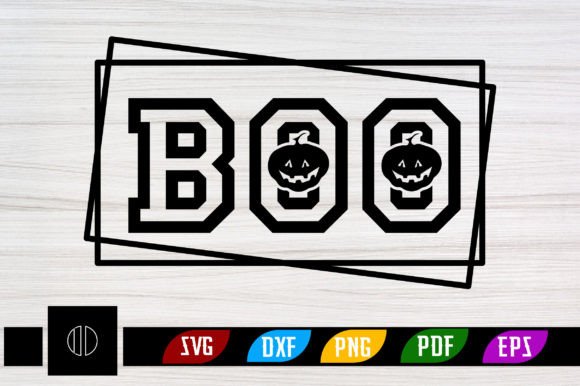
Boo Retro Svg Design: A Designer’s Real-World Embroidery Review
When I receive a new digital asset for review, my first instinct is always to strip away the marketing fluff and look at the raw geometry. As an embroidery designer who spends hours staring at stitch paths and fabric tension, I don’t just want something that looks cute on a screen; I need to know how it translates into thread. Today, I am putting Boo Retro Svg Design through its paces. This isn’t just another generic Halloween graphic. It is a specific design choice that requires careful consideration before it hits the hoop. If you are an Etsy seller, a small business owner, or a crafter looking to elevate your handmade product line, this review will help you decide if this file belongs in your commercial library.
First Impressions: Mood and Visual Personality
The moment you open the file, the retro aesthetic jumps out. The term "retro" in modern design often leans heavily into 70s or 90s nostalgia, but Boo Retro Svg Design strikes a balance that feels timeless yet trendy. The visual personality is playful without being childish. For a designer, this distinction is critical. You want a design that appeals to millennial parents buying baby items and Gen Z buyers looking for unique home decor. The shape and layout suggest a bold, confident silhouette that can stand alone as a focal point or work well in a cluster arrangement.
In terms of mood, the design evokes a sense of fun autumnal energy. It is not spooky; it is whimsical. This makes it incredibly versatile. It fits naturally into holiday embroidery collections but doesn’t feel overly seasonal to the point where it becomes unsellable after November 1st. The detail level is moderate, which is actually a strength for machine embroidery. Too much intricate detail often gets lost in the stitching process, especially on textured fabrics. Here, the lines are clean, suggesting that the final stitched result will be crisp and legible.
Real-World Application: From Screen to Stitch
Let’s talk about real project use. I recently imagined using this design for a custom embroidered tote bag intended for a local craft fair. The goal was to create a boutique product that felt professional and high-quality. When I mentally mapped Boo Retro Svg Design onto a canvas tote, I immediately considered the placement. Center chest? No, too standard. A large, centered back print? Better. But the true potential lies in the versatility of the file formats provided.
Although the product description notes that you get an SVG and DXF file—formats primarily associated with cutting machines like Cricut Explore and Silhouette—this does not mean they cannot serve as excellent templates for digitizing an embroidery project. Many designers use these vector outlines to trace and create their own machine embroidery design files, ensuring perfect proportions. Alternatively, if you have access to digitization software, this vector art provides a flawless base for creating a high-end embroidery file.
Imagine this design on a sweatshirt embroidery project. The retro vibe pairs beautifully with heavyweight cotton blends. Or consider a personalized gift scenario: a set of matching kitchen towels for a housewarming. The design’s clean lines would translate well into a simple applique design or a bold satin stitch outline. For an Etsy seller, the ability to offer personalized products with such a strong visual anchor increases perceived value. Customers trust designs that look intentional and professionally executed.
Where to Use It (And Where to Hesitate)
Not every surface is created equal. While Boo Retro Svg Design is visually appealing, practical application requires caution in certain areas. If you plan to use this on curved surfaces like caps or hats, you must account for the distortion. Retro designs often rely on symmetry or specific geometric balances that can warp if not stabilized correctly. Always test the design in a smaller hoop size first to see how the curves behave on a curved object.
Textured fabrics present another challenge. If you are working with thick fleece or heavy denim, fine details might get swallowed by the pile. In these cases, the design works best if treated as a large, bold statement piece rather than a delicate accent. Conversely, on thin or stretchy fabrics, the stability of the design is paramount. Without proper stabilizer, even a simple shape can pucker and distort, ruining the handmade presentation.
I also advise careful consideration when placing this design near small lettering or tiny decorative accents. If your final product involves adding names or dates alongside the main graphic, ensure there is enough negative space. Crowded compositions can look cluttered and reduce brand consistency. For commercial embroidery projects, clarity is king. A busy background or overly dense stitch areas can detract from the message you are trying to convey.
Technical Considerations for the Savvy Designer
Before you commit to producing a batch of finished products, there are several technical checks you must perform. First, check thread color contrast. Retro palettes often involve muted tones, so ensure your thread choices pop against your chosen fabric texture. A dark fabric might require light, vibrant threads, while a white tee allows for more nuanced shading.
Review stitch density carefully. Even though you are starting with a vector file, the way you digitize it will determine the durability of the final product. High stitch density adds weight and stiffness, which might not be desirable for soft baby clothes or lightweight apparel. Aim for a balanced approach that ensures longevity without sacrificing comfort.
It is also wise to inspect small details in black and white mockups. Color can sometimes mask structural flaws in a design. By viewing it in grayscale, you can better assess the balance of positive and negative space. Does the design hold up when stripped of color? If yes, it is a strong candidate for any embroidery project.
Commercial Viability and Licensing
For those of us running a craft business, licensing is non-negotiable. The product description mentions a digital download only, including one .zip file with SVG and DXF formats. It does not explicitly state commercial usage rights for the resulting physical goods. This is a crucial gap. Before you list any small shop product on Etsy or your own website, you must confirm whether you are allowed to sell finished items made from this design. Selling printable mockups or using the design assets for client work may have different restrictions. Protect your business by reading the fine print.
Final Verdict: Is It Worth Adding to Your Library?
Boo Retro Svg Design is a solid addition to any creative entrepreneur’s toolkit. Its retro charm offers broad appeal, making it suitable for a wide range of customers, from hobbyists making gifts to professional decorators seeking reliable design assets. The key to success lies in execution. Test it on scrap fabric first. Compare light and dark fabric backgrounds. Use proper stabilizer. And most importantly, treat it with the respect due a professional-grade design.
If you are looking to expand your catalog with items that feel both nostalgic and modern, this design delivers. It has the potential to boost buyer engagement through its strong visual identity. Whether you are creating a holiday embroidery collection, a line of tote bag design accessories, or personalized baby embroidery items, Boo Retro Svg Design provides a strong foundation. Just remember: the magic happens in the stitching, not just the file. Ensure your preparation is thorough, and your finished product will speak for itself.
Ultimately, this falls under the broader categories of Crafts and Graphics, but its true value is realized in the hands of someone who understands the intersection of digital art and textile production. By approaching it with a critical eye and practical mindset, you can turn a simple vector file into a profitable, beautiful, and trusted part of your brand.