Grateful Retro SVG Review
As a designer who spends half my life staring at stitch density charts and the other half worrying about whether a client’s fabric will pucker under tension, I don’t just look at an embroidery file—I stress-test it mentally before it ever touches a hoop. When I first pulled up Grateful Retro SVG, my immediate reaction was less about the technical specs and more about the vibe. It has that specific, warm nostalgia that screams "fall comfort," but as someone looking to turn this into a sellable handmade product or a meaningful personalized gift, I had to dig deeper. Would this design actually hold up in real-world stitching? Could it carry the weight of a boutique brand aesthetic without looking cluttered?
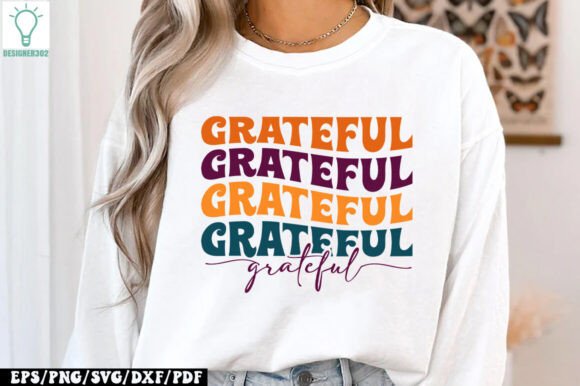
This isn't just another generic clip-art download. The retro typography combined with autumnal motifs creates a mood that is instantly recognizable. It feels like a crisp morning coffee, a worn-in leather jacket, and a cozy knit sweater all rolled into one digital asset. For craft business owners and Etsy sellers, that emotional connection is what drives sales. But does the execution match the promise? Let’s break down how this design performs when we move from screen to fabric.
The First Impression: Mood and Visual Personality
The visual personality of Grateful Retro SVG is bold yet approachable. In the world of machine embroidery, there is a fine line between "charmingly rustic" and "messy." This design leans comfortably toward the former. The layout feels balanced, suggesting that the artist understood negative space—a critical factor in embroidery where too much detail can turn into a sticky mess if not digitized correctly.
For small shop products and boutique branding, this aesthetic hits the sweet spot for current trends. It appeals to the maker community that values authenticity and warmth. Whether you are creating holiday embroidery gifts or seasonal apparel decorations, the theme is versatile enough to fit into a curated feed without feeling forced. It doesn’t scream for attention; it invites the viewer in. That subtle confidence is exactly what you want in a finished product that aims to build customer trust and long-term engagement.
Real-World Application: From Screen to Stitch
I recently imagined using this design for a custom embroidered tote bag design intended for a local fall market. The concept was simple: a sturdy canvas tote with the Grateful Retro SVG centered on the front panel. Here is how I see it playing out in practice.
On a structured cotton canvas, the lines would pop beautifully. The retro style relies on clean curves and solid shapes, which translate well to fill stitch applications. If you are an experienced embroiderer, you know that fill stitches need room to breathe. The spacing in this design suggests it won’t fight against itself, reducing the risk of thread breaks or needle deflection. For a sweatshirt embroidery project, however, the game changes slightly. On fleece or heavy cotton blends, you need to ensure the stabilizer is robust enough to support the weight of the threads without distorting the garment’s drape.
Consider also the potential for baby embroidery. A onesie or a nursery wall hanging featuring this design could be a massive hit for new parents looking for gender-neutral, timeless decor. The "grateful" sentiment adds a layer of meaning that elevates it beyond mere decoration. It becomes a keepsake. For personalized gifts, this level of emotional resonance is invaluable. It transforms a mass-produced-looking template into a thoughtful, handmade product that customers feel good about gifting.
Where to Exercise Caution
No design is perfect for every surface, and being honest about limitations is part of professional design judgment. There are specific scenarios where Grateful Retro SVG might struggle.
- Small Hoop Sizes: If you attempt to shrink this design down to fit a tiny 4x4 inch hoop, you risk losing definition. Tiny lettering and intricate details often merge into indistinguishable blobs when stitched at miniature scales. Always inspect small details by zooming in on your digitizing software before committing to production.
- Textured and Stretchy Fabrics: While this design looks great on flat surfaces, applying it to curved surfaces like caps or hats requires careful hooping and stabilization. Stretchy fabrics, such as thin jersey knits, can distort the retro curves if the underlay stitches aren’t dense enough. Test the design on scrap fabric first to see how the grain behaves.
- Dense Stitch Areas: If the digitization includes heavy satin stitch borders around the text, you must check the stitch density. Too much thread in one area can cause the fabric to pucker, ruining the clean lines that make the retro style appealing. For aprons or kitchen towels that undergo frequent washing, excessive density can lead to premature wear or fraying.
- Dark Fabric Contrast: Ensure your thread colors provide sufficient contrast. A light pastel thread on a dark charcoal background might get lost, especially if the design relies on subtle shading rather than bold outlines.
Practical Designer Notes for Execution
To get the most out of this digital embroidery file, treat it like any other high-stakes commercial embroidery project. Here are my non-negotiable steps for preparation:
- Stabilizer Selection: Match your stabilizer to your fabric weight. A cut-away stabilizer is usually safer for garments that will be washed repeatedly, while a tear-away might suffice for temporary projects like decorative pillow covers.
- Thread Color Contrast: Review thread colors carefully. Don’t just rely on the preview on your monitor. Hold the spool up to the actual fabric under natural lighting. The interplay between the retro color palette and the fabric texture can drastically change the final look.
- Black and White Mockups: Convert your design to black and white in your editing software. This helps you see the true value structure of the design. Are there large areas of empty space that look unbalanced? Is the text legible without the crutch of color?
- Hoop Size Confirmation: Confirm the hoop size requirements listed in the package. If the design exceeds your machine’s standard hoop, you will need to plan for re-hooping, which increases production time and the risk of misalignment.
- Licensing Check: Before listing this as an Etsy seller or selling finished items in your craft business, double-check the license terms. Some designs allow personal use only, while others permit commercial sales of physical goods. Clarifying this protects your small shop product from legal issues.
Final Verdict: Does It Add Value?
Ultimately, Grateful Retro SVG is a strong contender for designers looking to add seasonal flair to their inventory. It bridges the gap between trendy aesthetics and classic sentimentality. For digital product sellers, it offers a versatile asset that can be adapted across multiple categories—from tea towels to tote bags.
The design enhances visual appeal not through complexity, but through clarity. It respects the medium of embroidery by avoiding unnecessary micro-details that rarely stitch well. For the hobbyist, it provides a satisfying project that yields a professional-looking result. For the entrepreneur, it offers a reliable foundation for creating high-margin, low-complexity items.
If you are looking to expand your range of handmade products with something that feels both modern and nostalgic, this is a smart addition to your library of design assets. Just remember: the magic happens in the preparation. Take the time to test, adjust, and refine. When you do, Grateful Retro SVG will likely become a staple in your workflow, delivering the kind of quality that keeps customers coming back for more.